

Cultured Guru Logo
Cultured Guru Logo
  • Start Here
  • RecipesWe love to create delicious recipes with gut health in mind. By using our recipes, you can easily create any dish knowing that it’s good for gut health! Our recipe blog also includes Vegan Recipes, Vegetarian Recipes, Gluten Free Recipes, and Paleo Recipes.
  • About
  • Learn
  • Shop
  • Contact
  • Start Here
  • RecipesWe love to create delicious recipes with gut health in mind. By using our recipes, you can easily create any dish knowing that it’s good for gut health! Our recipe blog also includes Vegan Recipes, Vegetarian Recipes, Gluten Free Recipes, and Paleo Recipes.
  • About
  • Learn
  • Shop
  • Contact
Sourdough

How to Make Sourdough Hamburger Buns

These soft, fluffy sourdough hamburger buns will be the star of any hamburger meal. They’re just spongy enough to soak up all that delicious burger juice, and any sauce you top your burger with, while also staying sturdy enough to hold a big juicy burger.

Prep: 20 minutes
Cook: 30 minutes
Total: 6 hours 50 minutes
Jump to Recipe Rate Recipe
Recipe Index | Ferment | Sourdough

How to Make Sourdough Hamburger Buns

These soft, fluffy sourdough hamburger buns will be the star of any hamburger meal. They’re just spongy enough to soak up all that delicious burger juice, and any sauce you top your burger with, while also staying sturdy enough to hold a big juicy burger.

Soft Hamburger Bun Recipe with Sourdough Starter

Making soft burger buns is all about using the right ingredients. Unlike regular sourdough bread, you will need to use eggs, milk, and butter in this recipe. These are the ingredients that keep the buns light and fluffy!

Here’s everything you need to make the best soft hamburger buns:

  • Fed, active, bubbly Sourdough Starter: I like to use my Sprouted Rye Sourdough Starter in this bun recipe. If you do not already have a starter, you’ll need to start this 7 days before baking or 2 days before baking if you use our quick recipe option.
  • Flour: I use organic bread flour or organic unbleached all-purpose; both work well. 
  • Milk: I like to use whole milk for these buns, but plant-based milk also works well in this recipe.
  • Butter: I use grass-fed organic butter, but vegan butter also works.
  • Egg: I only use pasture-raised organic eggs, and make sure you whisk your egg well before adding it to the dough. If you are vegan, I’ve used Bob’s Red Mill Egg Replacer, which worked well.
  • Salt: Unrefined sea salt, please! Just make sure your sea salt is unrefined and free from anti-caking agents. 
  • Spray Bottle Filled with Fresh Water: This is a must-have for stretching and folding the dough. (see the section below) 
  • Parchment Paper: Baking these sourdough buns on parchment paper is a must
six sourdough burger buns on a baking sheet.

Easy Sourdough Hamburger Buns

The hardest step when making these burger buns is stretching, folding, and shaping. It takes patience and a gentle touch, but it is not difficult.

I find that shaping burger buns are easier than shaping a sourdough boule. Just follow the directions in the recipe card below, and you shouldn’t have any problems!

Large Sourdough Hamburger Buns

It’s easy to make large hamburger buns at home. If you want larger buns, you need to divide the dough into fewer pieces.

This recipe gives you six large buns, perfect for a big juicy burger. If you need them even bigger, you can divide the dough into five pieces instead of six.

For smaller buns, such as buns you use to make sliders, Divide the dough into 8 or 9 pieces before shaping them into buns.

Easier to Digest Sourdough Hamburger Buns

Sourdough is the oldest form of bread. Experts say the bread originated in Egypt long ago… as in 1,500 BC. Since commercial yeasts were unavailable back then, bread products had to be naturally leavened using wild yeats. 

Wild yeasts are “captured” in a sourdough starter along with flavor-developing microorganisms, like lactic acid bacteria. When I say “captured,” I mean they come from the flour you use to make them.

Since sourdough ferments during a longer rise time than traditional bread, it’s much easier to digest and more flavorful.

The flavor comes from the wild yeasts and bacteria metabolizing the sugars in the dough during the long rise and producing acids as byproducts. This is also why the bread is easier to digest! Essentially the microorganisms do some of the digesting for you in this sourdough bread recipe.

Visit our sourdough starter blog to learn more about the microbiology of sourdough starters. 

Sourdough hamburger buns cut in half sitting on a wooden cutting board.

Sourdough Nutrition

Sourdough bread is made out of flour, just like regular bread. However, the fermentation process makes the nutritional components of the flour more bioavailable.

Lactic acid bacteria in sourdough starters can reduce phytic acid, the compound that can prevent nutrient absorption in regular bread. Without the phytic acid binding to the minerals, you can absorb more potassium, phosphate, magnesium, folate, and zinc from the bread.

Sourdough Starter Problems? 

Do you want to make this recipe but struggle with your starter? CLICK HERE for our blog on The Most Common Sourdough Starter Problems and How to Fix Them.

six sourdough hamburger buns on a white surface with one burger bun split in half.

What to Make with these Sourdough Burger Buns

  • Jalapeño Cheddar Burgers with Cilantro Lime Mayo
  • Easy Vegan Beet Burgers
  • Veggie Burgers with Turmeric, Chickpeas, and Sweet Potato
Print
Sourdough

5 Stars 4 Stars 3 Stars 2 Stars 1 Star

5 from 6 reviews

How to Make Sourdough Hamburger Buns

These soft, fluffy, flavorful buns will be the star of any hamburger meal. They’re just spongy enough to soak up all that delicious burger juice, and any sauce you top your burger with, while also staying sturdy enough to hold a big juicy burger. A light egg wash gives these buns a flaky golden top, perfect for classic sesame seeds. Once you try this sourdough bun recipe, you’ll never go back to store bought burger buns!

  • Prep: 20 minutes
  • Cook: 30 minutes
  • Total Time: 6 hours 50 minutes

Ingredients

Buns

  • 100 grams Sourdough Starter
  • 300 grams Warm Milk
  • 1 Egg, beaten
  • 450 grams Bread Flour
  • 10 grams sea salt
  • 2 Tablespoons Butter, grated
  • 20 grams sugar
  • 1 teaspoon active dry yeast (optional)*

Egg Wash

  • 1 Tablespoon Milk
  • 1 egg beaten
  • Sesame Seeds

Instructions

  1. In a large bowl, combine all of the bun ingredients
  2. Knead the ingredients together until a uniform dough ball forms.
  3. Cover the bowl with a towel and rest the dough for 30  minutes.
  4. First Stretch and Fold: Turn the dough onto a lightly floured countertop. Scrape out the bowl and rinse the inside of the bowl well. Dry the bowl and rub the inside lightly with oil.
  5. Stretch and fold the dough. Stretch the top of the dough over the bottom, side over side, and bottom over the top. Place the dough back in the bowl with the seam side down. Let the dough rest for 2 hours. It should puff up quite a lot.
  6. Second Stretch and Fold: Turn the dough onto a lightly floured countertop so the wet side is up.
  7. Stretch and fold the dough. Stretch the top of the dough over the bottom, side over side, and bottom over the top. Place the dough back in the oiled bowl with the seam side down. Let the dough rest for 1 hour.
  8. Next, sprinkle some flour on the surface of your counter. Remove the dough from the bowl and place it on the floured surface with the wet side up.
  9. Stretch the dough into a rectangle that’s a little bigger than a sheet of paper. Be gentle with the dough! You don’t want to flatten it. Lightly pull the sides.
  10. Using a knife or a pizza cutter, cut the dough into 6 even squares. (for smaller buns, cut into 7 or 8 squares)
  11. Line a baking sheet with parchment paper and sprinkle flour on top of the parchment paper.
  12. Grab a single square, and fold in the corners of the dough over each other, forming a round dough ball. Place the dough ball on the floured parchment paper. Repeat until all the dough has been shaped.
  13. Lightly press down on the tops of the dough balls to flatten them slightly.
  14. Lightly sprinkle the top of the dough balls with flour. Cover the dough balls with a towel and let them rise for 1 hour at room temperature.
  15. Preheat your oven to 400 degrees F. (Note: If you feel that your oven runs on the hotter side, you can bake at 375 F)
  16. Whisk together the egg and milk for the egg wash.
  17. Baste the buns with egg wash. Leave them plain, or sprinkle sesame seeds on top.
  18. Bake for 15 minutes. Rotate the pan and bake for another 10 minutes until the buns are golden brown.
  19. Remove and allow to cool for 30 minutes.

Notes

  • If you want to speed up the process, you can add a teaspoon of active dry yeast to the dough. If you do the dough will only take 90 minutes total to rise, before you can shape and bake.
  • You can freeze these buns for extended storage.

Did you make this recipe?

Please leave a 5-star review below if you loved it! Tag @cultured.guru on Instagram


Nutrition information is auto-calculated and estimated as close as possible. We are not responsible for any errors. We have tested the recipe for accuracy, but your results may vary.

author avatar
Kaitlynn Fenley Author, Educator, Food Microbiologist
Kaitlynn is a food microbiologist and fermentation expert teaching people how to ferment foods and drinks at home.
See Full Bio
fermentation food microbiology sourdough sauerkraut fermenting at home fermented foods fermented drinks
social network icon social network icon social network icon social network icon

welcome!

hey i’m kaitlynn, i’m a microbiologist and together with my husband jon we are cultured guru.

more about us

let’s connect!

newest recipe

Fruit and Herb Shrub Vinegar Master Recipe
Vinegar & Tonics

Fruit and Herb Shrub Vinegar Master Recipe

never miss a thing

learn more about microbes from a microbiologist
Loading

on pinterest

Instant Pot Vegan Chicken Noodle Soup
Sourdough Smores Cookies
High Protein Cottage Cheese Mac and Cheese
Sourdough & Miso Chicolate Chip Cookies
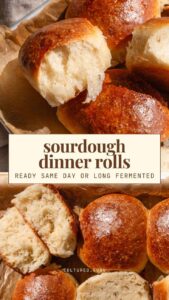
Sourdough Dinner Rolls
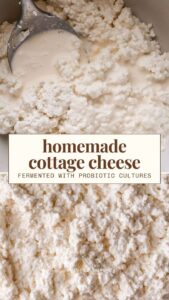
Homemade Cottage Cheese

top rated recipes

How to Make Moroccan Preserved Lemons with Sea Salt
Fruits & Roots

How to Make Moroccan Preserved Lemons with Sea Salt

Slow Cooked Pork Roast with Sauerkraut Potatoes and Carrots
Protein

Slow Cooked Pork Roast with Sauerkraut Potatoes and Carrots

Sparkling Golden Beet Kvass Made the Traditional Way
Beverage Fermentation

Sparkling Golden Beet Kvass Made the Traditional Way

learn more

Understand microbes and master fermentation with our online courses!

learn

rate and review
We would love to hear what you think!
Cancel reply

Your email address will not be published. Required fields are marked *

Recipe rating 5 Stars 4 Stars 3 Stars 2 Stars 1 Star


  1. Chantal DE KOCK
    06|30|2021

    Hi Kaitlynn

    I’m so excited about this recipe. Busy making the dough as I type. I was curious if adding steam to the oven is necessary, as with other sourdough bread? or possibly putting a lid on the buns for the first 15 min bake?

    Reply
    1. Kaitlynn Fenley
      06|30|2021

      Steam isn’t necessary, but I am located in a very humid climate, so it may be different for you. If you want to add a little steam or humidity, you can throw a few ice cubes in the bottom of the oven with the first 15-minute bake.

      Reply
  2. Sarah
    07|01|2023

    Easy to make, delicious, and perfect for my gluten-sensitive family! I’ve made them with wheat flour and kamut and both turned out great.

    Reply
  3. Sarah
    07|02|2023

    The fluffy hamburger buns of my dreams. Straightforward instructions that made for a great result! My family is already asking me to make these again.

    Reply
  4. Lisa
    08|23|2023

    What a beautiful easy to follow recipe with fantastic results! This will be the recipe I use for all my hamburger buns!

    Reply
    1. Kaitlynn Fenley
      08|23|2023

      Thank you for this review! Happy to hear you enjoyed the buns!

      Reply
  5. Anonymous
    08|27|2023

    These buns are baking as I type! They are just beautiful! Another 5 star recipe from the cultured guru! Also-made my favorite recipe of all time-your rustic sourdough bread with rosemary-it comes out perfect every time! Still can’t figure out why this works for me when pretty much all other sourdoughs are a fail! If it ain’t broke-dont fix it!❤️

    Reply
  6. Mary Baccus
    05|22|2024

    These buns turned out amazing! I used warm buttermilk and no yeast. I will definitely be making these again!! Great recipe!

    Reply
  7. Sarah
    06|09|2024

    Made these Memorial Day weekend. Didn’t get them done in time for burgers, but that was one me for not planning ahead. Ate them the next day with some Hannah Q pulled pork and homemade coleslaw. Very delicious and great use of sourdough discard.

    Reply
  8. Maggie McClure
    08|08|2024

    Hi! If I am using yeast along with my starter, do I skip the stretch and fold steps and simply wait to shape and bake? Thanks!

    Reply
    1. Kaitlynn Fenley
      08|08|2024

      you can still do all the steps, just reduce each waiting/resting/rising period by half

      Reply

you may also like

Sourdough View Recipe

Sourdough Rye Rolls Recipe | The Perfect Rye Slider Buns

Grilling Season
Sourdough Discard View Recipe

Quick and Easy Sourdough Discard Hot Dog Buns

Sourdough View Recipe

My Go-To Homemade Sourdough Pizza Crust Recipe

join us on insta

@cultured.guru

A lot of people think vinegar kills all microbes b A lot of people think vinegar kills all microbes because shelf stable pickles do not contain microbes. But with shelf stable pickles, it’s the pasteurization/sterilization via hot water bath or pressure canning that makes shelf stable pickles free of microbes.

Hot hot hot acid in a pressurized environment does kill, well…most microbes. 

Think about “refrigerator pickle” recipes, though. They need to be stored in the refrigerator because vinegar alone doesn’t stop fermentation.

Fridge pickles are made without pasteurization/sterilization (canning) so they will wild ferment without refrigeration, and not necessarily in a good way because there’s not enough salt. 

All vinegar is made via fermentation too, and vinegar fermentation involves acetic acid bacteria, but also a ton of LAB, mainly Lactobacillus, Pediococcus, and Leuconostoc (the same genera you’d find in fermented veg.)  I linked a reference paper in my fermented mushroom recipe blog, so you all can read about the LAB involved in vinegar fermentation. 

Try 🍄‍🟫googlin’🍄‍🟫“fermented mushrooms” and you’ll see my recipe, it’s the first result (usually) 🤗

#mushrooms #fermentation
I will not ever wild lacto ferment just beets agai I will not ever wild lacto ferment just beets again lol. Mixing with cabbage for beet sauerkraut is the best though! 

“Lacto fermented beets” was the first ferment I tried to make after learning sauerkraut in college. My best friend Sidney came over and we used these gorgeous beets from the farmers market, with 2.5% salt, and some spices. Well, it ended up tasting like beet moonshine and it was just… not good.

But it was a conduit for learning. Those beets were my first lesson in how different sugars and growth in the rhizosphere vs the phyllosphere influences fermentation. 

Cabbage and the cabbage microbiome offer a lot to balance out beets in fermentation, and I think mixing into a sauerkraut is the only way to go for lacto fermenting beets! 

Try googlin’ “beet and red cabbage sauerkraut” and you’ll see my recipe, I’m Cultured Guru.
Squash is the secret ingredient! My Roasted Butte Squash is the secret ingredient!

My Roasted Butternut Squash Hot Sauce recipe is free on my website! I didn’t cook this one, so yes it’s still probiotic.

When lactic acid bacteria ferment the starches in winter squash, they naturally convert them into emulsifying compounds called exopolysaccharides. So when we blend our hot sauce after fermentation, there’s no watery separation in the bottle. Roasting the squash with the garlic for the recipes also adds such good flavor! 

Definitely make sure it’s fully fermented and not bubbling anymore before you blend and bottle. Otherwise, it’ll carbonate in the cute little hot sauce bottles.

#hotsauce
Myth Busting: Yes, the SCOBY IS the pellicle! Plee Myth Busting: Yes, the SCOBY IS the pellicle! Pleeeease stop saying it’s not. 😌


Watch till the end, I show you how to grow one!


This is a little tidbit from what I teach in the Kombucha lesson in our Fermented Drinks Semester online course!

I also share this recipe FOR FREE just ✨GOOGLE✨ “cultured guru SCOBY” and you’ll see my full recipe with the perfect sugar to tea ratios for growing, feeding and maintaining a kombucha SCOBY.

#kombucha
And the knife stays in the box. GOOGLE “sourdoug And the knife stays in the box. 

GOOGLE “sourdough king cake” my recipe is the first one! 👑☂️💚✨

If you’re like me and prefer from scratch, homemade everything, you’ll definitely want to try this king cake for Mardi Gras! I used organic naturally dyed sprinkles and all that jazz too. 

If you just search “sourdough king cake” on google you’ll see my recipe, it’s usually the first one. 

My main tips for making this:
✨use a very active starter or throw in some instant yeast with your starter
✨make sure the dough is actually proofed before shaping it. If it’s cold in your house it will take longer. 
✨please follow directions! You can cold ferment the dough in the fridge after it doubles in size and BEFORE filling and shaping.

🎵Song is Casanova by Rebirth Brass Band
Fermentation is a gift from the microbes of this e Fermentation is a gift from the microbes of this earth.

When we had a food business, I could never shake the feeling that fermentation is not meant to be sold to you from a fluorescently lit grocery shelf in an endless cycle of waste. Fermentation is meant to be cultivated in your home, with your hands, with intention and love in a sustainable, grateful practice of reciprocity and nourishment. 

This is the story of how we got here. 

After so many lessons learned, our small fermentation business is now value aligned, peaceful, fulfilling, and happy.  It often seems like the gut feelings (the microbes within us) guided us in the right direction. To teach. 

You can learn for free on our blog, or you can enroll in our online courses (we extended our new year sale!) Either way, with me as your teacher, you’ll learn to adopt a holistic perspective on the microbial ecosystems that influence our food, lives, and the planet.
Flower Icon
LEARN ABOUT MICROBES FROM A MICROBIOLoGIST
Loading

recipes

  • Sourdough
  • Sauerkraut
  • Yogurt & Kefir
  • Pickles
  • Sweets & Snacks

more

  • Start Here
  • About
  • Learn
  • Shop
  • Contact

social

  • TikTokVisit Cultured Guru TikTok Account
  • InstagramCultured Guru Instagram Account
  • PinterestVisit Cultured Guru’s Pinterest Account
  • FacebookVisit Cultured Guru’s Facebook page
  • Privacy & Terms
Footer Logo
Footer tagline
copyright

©2026

Cultured Guru

.

website by saevil row + MTT. all rights reserved.